

Oil painting essential materials and techniques: Good Paints and Pigments
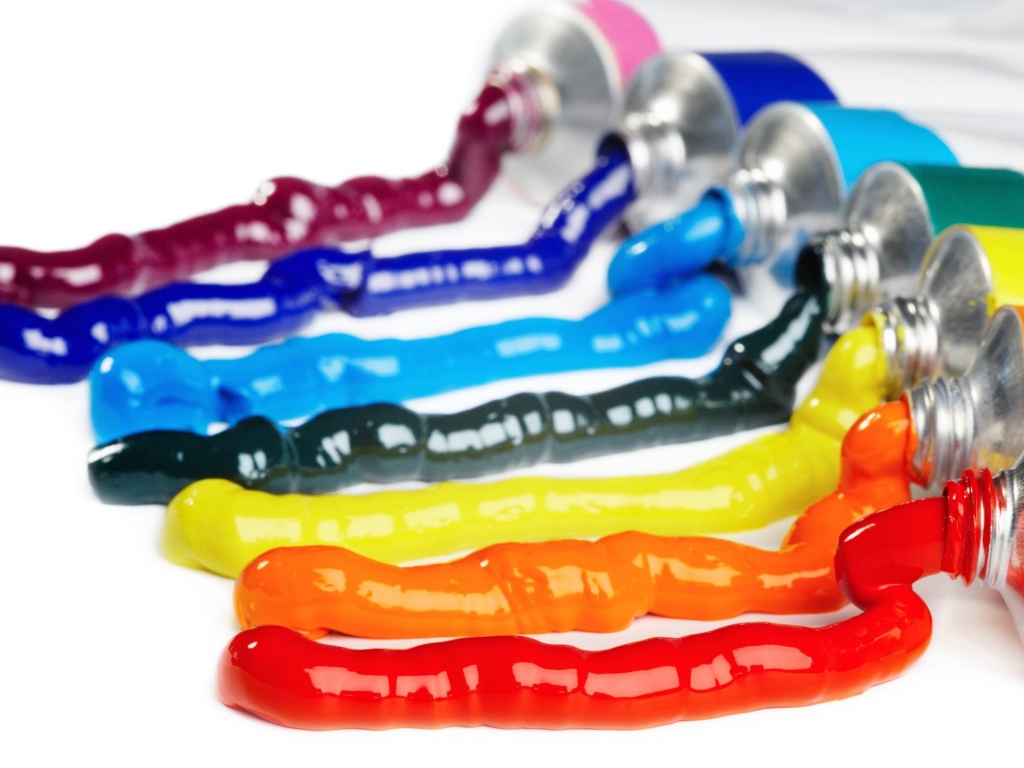
Oil painting essential materials and techniques:
Good Paints and Pigments
Good Paints.—The three things on which the quality of good paint depends are good pigment, good vehicles, and good preparation.
The pigments used are of mineral, chemical, and vegetable origin. The term pigment technically means the powdered substance which, when mixed with a vehicle, as oil, becomes oil paint.
The most important pigments now used are artificial products, chiefly chemical compounds, including chemical preparations of natural mineral earths.
As a rule, the colors made from earths may be classed as all permanent; those from chemicals, permanent or not, as the case may be; and those of vegetable origin fugitive, with few exceptions.
Some colors are good when used as water colors, and bad when used in oil.
Further on I will speak of the fugitiveness and permanency of colors in detail. I wish here to emphasize the fact that the origin of the material of which the pigment is made has much to do with the sort of work that that pigment will do, and with the permanency of the effect which is produced; and therefore that while a paint may look like another, its working or its lasting qualities may be quite different.
The Vehicles.—The vehicles by which the pigment is made fluent and plastic are quite as important in their effects. They not only have to do with the business of drying, owing to the substances used as dryers, but they may have to do with the chemical action of one pigment on another.
The Preparation.—Finally, the preparation of the pigment demands the utmost skill and knowledge, if the colors are to be good. The oil paints used by the old masters were few and simple, and the fact that they prepared them themselves had much to do with the manner in which they kept their color. The paints used now are less simple. We do not prepare and grind them ourselves, and we could hardly do so if we wished to, so we are the more dependent on the integrity of the colorman who does it for us.
The preparation of the paint begins with the chemical or physical preparation of each pigment, and then comes the mixing of several to produce any particular color; and finally the mechanical process of grinding with the proper vehicle to bring it to the proper fineness and smoothness.
This Post Has 1 Comment