On 29 May, 2018 With
Botticelli’s talent was soon recognized and by 1470 he had his own workshop. In 1472 he joined the local painters’ guild. He painted small religious works until 1474, when he received a commission to paint the monumental St. Sebastian for the church of Santa Maria Maggiore in Florence. His work was in favor with members of the Medici clan, who were the ruling family of Florence, and in 1475 he painted the Adoration of the Magi in which he included portraits of some Medici family members. The Medicis commissioned many works from Botticelli, paying him handsomely. Sandro Botticelli was deeply influenced by the artists and intellectuals who surrounded Lorenzo di Medici and by their ideas, which aimed to bring together…
Read More
On 28 Feb, 2017 With
Thank you!
Big thanks to all Web Art Academy Survey participants. All entries are listed here »
We are also grateful to all supporters, who voted for the winners.
Read More
On 24 Feb, 2017 With
A question from Farhad, Web Art Academy student
Hi Natalie,
I have been working on a painting for a few months now, as I only spend a few hours on weekends. It is actually my first painting done in multi layer technique. It is almost done except that I need to put some fine details on the fabric the man is wearing. It is a thick woolen fabric like the type used for men’s overcoat. What he is wearing has many folds which I have completed but need to know how to put these details.
There must be a way, technique to do that as I have seen ultra realistic paintings that show these detail, like wear and tear on a pair of jeans. I don’t want to go into that fine detail now but having some details on the folds adds more to the painting. Please let me know if you have any suggestion. …
Read More
On 30 Nov, 2016 With
List of all Web Art Academy Competition Winners
Read More
On 30 Nov, 2016 With
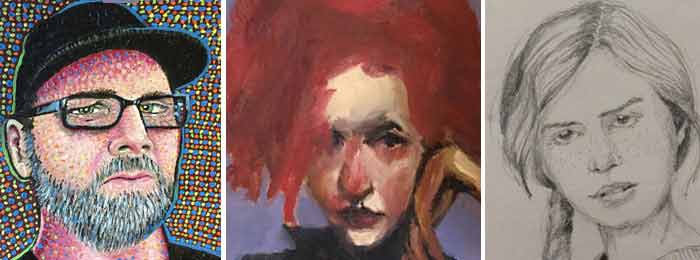
Thank you! Big thanks to all Web Art Academy Survey participants. All entries are listed here » We are also grateful to all supporters, who voted for the winners. And the Winners are: Mercedesz Farkas http://webartacademy.com/art-is-like-beeing-in-love-by-mercedesz-farkas “When I do something, I am really passionate about it. I like to create and learn new things but don’t have a creative career at the moment. I work in a hospital in an intensive care unit as a nursing assistant and am married with five children, two of whom have already moved out. Our family lives in an average sized Swedish town but we are originally from Hungary. Because of loving my own culture, language, literature and traditions I am able to do…
Read More
On 31 Aug, 2016 With
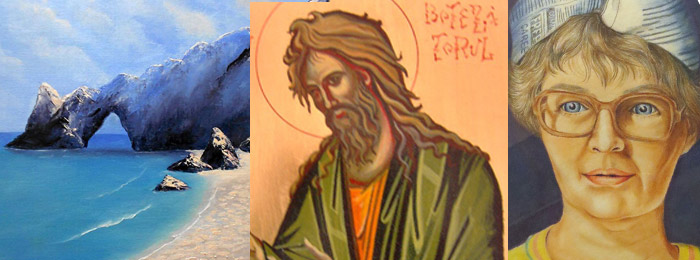
Thank you! Big thanks to all Web Art Academy Competition participants. All entries are listed here » We are also grateful to all supporters, who voted for the winners. And the Winners are: Sandra Alina http://webartacademy.com/the-art-is-the-development-of-my-soul-by-sandra-alina “I was graduated as a theater critic in 2005 at the National University of Theater and Cinematographic Art, Field: Dramatic Critics, Bucharest, Romania. From 2006 till 2008 I have worked at the “Maria Filloti” Theater, in Braila, as theater critic and festival organizer. I hold a diploma in Fine Arts in the field of painting and experience in byzantine painting as I was involved in different art projects for churches in Romania. I want to learn how to paint like the old masters and…
Read More
On 27 Feb, 2016 With
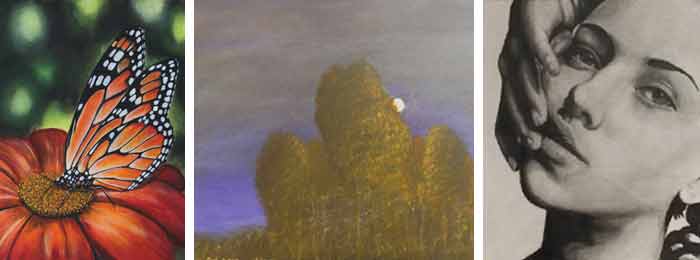
Thank you! Big thanks to all Web Art Academy Survey participants. All entries are listed here » We are also grateful to all supporters, who voted for the winners. And the Winners are: Emoke Pálffy http://webartacademy.com/dreaming-is-not-enough-we-must-act-by-emoke-palffy “For many years painting was only my desire. I was unable to learn, practice due to career and family. A year ago I had the possibility to start my adventurous trip in the painting. I began to study, I completed an online course and I took classes from a private teacher for a few months as well. My first big success: two of my pictures were set in a Budapest exhibition….” Ayman Ahmed http://webartacademy.com/science-and-art-a-new-love-story-by-ayman-ahmed “I have left art for more than 23 years since…
Read More
On 7 Feb, 2016 With
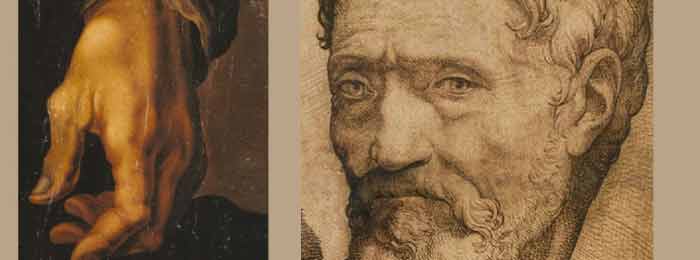
… Letters written by the artist suggest his hand symptoms appeared late in life.
According to a letter written to his nephew in 1552, they caused him great discomfort.
Nevertheless he continued to create one masterpiece after another and was seen hammering only a few days before his death in 1564, three weeks before his 89th birthday.
By then, he was unable to write, and could only sign his letters. …
Read More
On 1 Feb, 2016 With
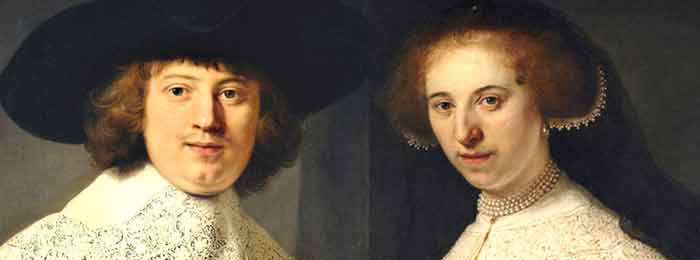
France and the Netherlands signed a historic deal on Monday acquiring two large Rembrandt portraits for €160 million ($174 million), the French culture ministry announced.
He added it was a new concept in the museum world for two countries to work together to obtain works from a private collection.
In 1634, the year Rembrandt completed the portraits of Maerten Soolmans and Oopjen Coppit, he was, at the age of only 28, the most fashionable portrait painter in Amsterdam.
These portraits are among the grandest he ever painted —lasting tributes to the status of his sitters and the importance of their patronage to the young artist. …
Read More
On 9 Jan, 2016 With
Photographer Josef Fischnaller shoots portraits that recreate famous paintings by the Old Masters, often including some humorous modern day elements in the scene. To Your Creative Success, Natalie Richy and Vladimir London Web Art Academy Founders
Read More